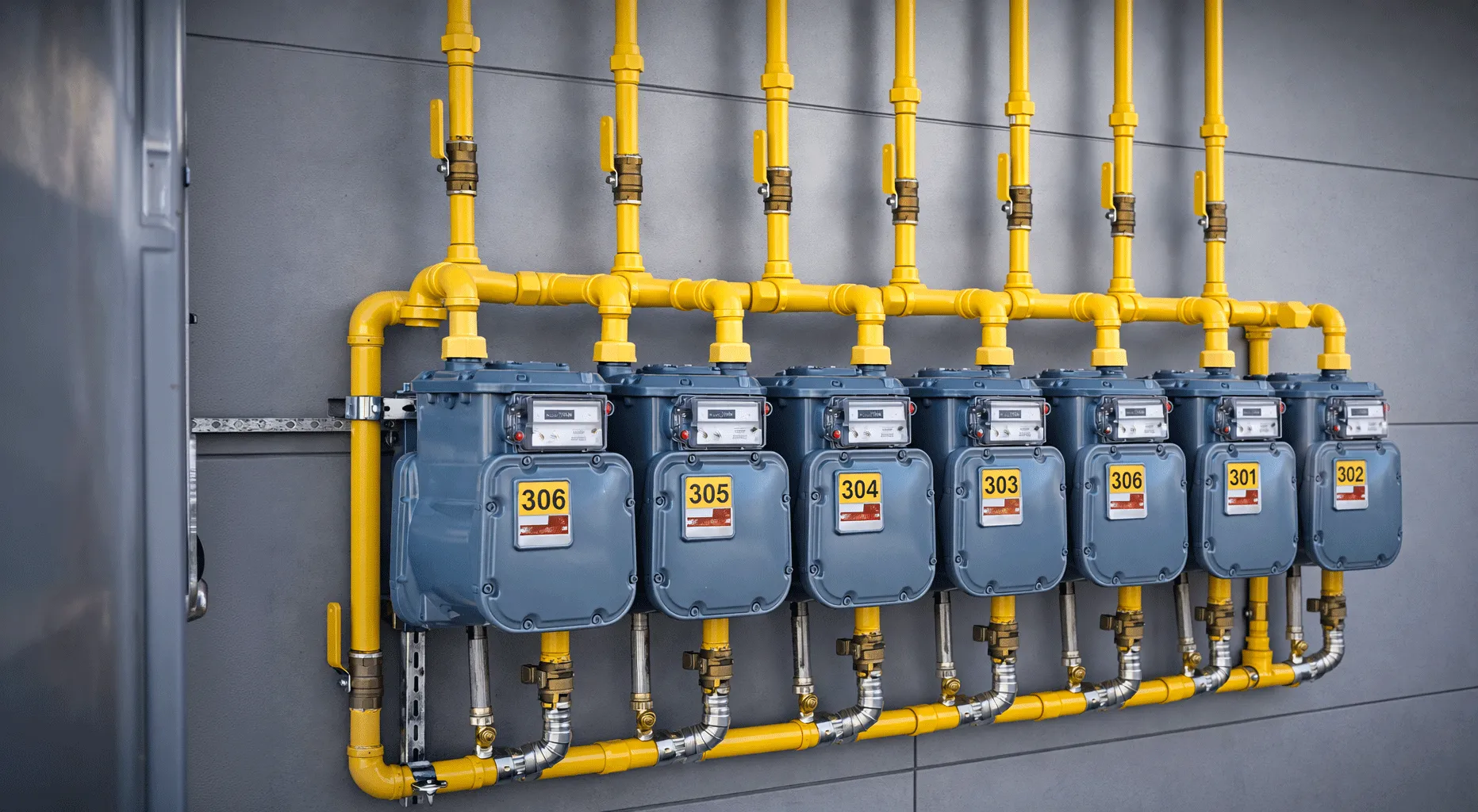
Gas Line Repair in Odessa and West Texas
Licensed gas plumbers who repair black iron, CSST, and copper gas lines to code, with pressure testing on every job.
Fast Answer
Gas Line Repair Cost in Odessa TX
| Service | Typical Cost Range |
|---|---|
| Single fitting or union repair | $150 - $350 |
| Gas line section replacement (up to 10 ft) | $350 - $700 |
| Gas line section replacement (10-25 ft) | $700 - $1,200 |
| Appliance connector replacement | $125 - $225 |
| CSST bonding and grounding (per run) | $200 - $350 |
| Whole-house gas system pressure test | $175 - $300 |
Prices reflect our 2025-2026 project records for the Odessa-Midland area. Call (432) 290-8511 for a free estimate.
Why Gas Lines Fail in West Texas
Gas lines in Odessa homes face a combination of stresses that accelerate deterioration. Black iron pipe, the standard material for interior gas lines, corrodes over time, especially at threaded joints where the pipe wall is thinnest. The Permian Basin's caliche soil is highly alkaline and corrosive to buried metallic piping.
Temperature swings from 110-degree summers to occasional single-digit winter nights cause repeated thermal expansion and contraction that loosens threaded fittings. Settling of the clay-heavy soil beneath foundations can shift gas lines and stress rigid connections. According to the NFPA, corrosion is the leading cause of gas line leaks in residential properties.
If your Odessa home is more than 20 years old and has never had a gas system inspection, scheduling one is a smart preventive step.
Types of Gas Line Repairs We Perform
We repair black iron (also called black steel) pipe, corrugated stainless steel tubing (CSST), and copper gas lines. Common repairs include replacing corroded fittings, re-threading and resealing leaking joints with approved thread sealant, replacing damaged sections of pipe, and tightening or replacing gas appliance connectors. For CSST systems (flexible yellow or black tubing used in many newer homes), we verify that bonding and grounding meet the manufacturer's requirements, which is critical for lightning protection in West Texas.
Our team recently repaired a corroded 3/4-inch black iron tee fitting in the attic of a home near Odessa College. The fitting was feeding both the furnace and the water heater. Corrosion had thinned the pipe wall at one thread, causing a slow leak that the homeowner noticed as a faint gas odor in the hallway.
We replaced the tee, both risers, and the gas valves at each appliance, then pressure-tested the entire attic gas system.
Gas Line Pressure Testing
Every gas line repair we perform includes a pressure test. We isolate the repaired section, pressurize it with air or nitrogen to the level required by the Texas State Board of Plumbing Examiners (TSBPE), and monitor the manometer gauge for the required hold time. A stable reading confirms zero leakage.
We do not reconnect gas service until the repaired section passes this test. Pressure testing is not optional under Texas law for gas line work, and it is the only way to be certain a repair is safe. We document the test pressure, hold time, and result for your records.
Call (432) 290-8511 to schedule a gas line repair or inspection.
When to Replace vs. Repair a Gas Line
A single corroded fitting or loose connection is a straightforward repair. But if your gas system has multiple leak points, widespread corrosion, or uses outdated uncoated CSST without proper bonding, a partial or complete gas line replacement may be the safer and more cost-effective choice. We evaluate the overall condition of your gas piping and give you an honest recommendation.
Replacing a section of gas line involves cutting out the corroded or damaged pipe, threading new black iron pipe, assembling with approved fittings and thread sealant, and pressure-testing the entire affected system. For new runs, we can install CSST where permitted, which installs faster and requires fewer fittings than rigid pipe. According to the AGA, modern gas piping materials and installation practices have made residential gas systems safer than ever when installed and maintained by licensed professionals.
How Gas Line Repair Works
Leak Location and Assessment
We use electronic gas detectors and soap-bubble testing to identify all leak points. We assess the overall condition of the gas system, including pipe material, fitting integrity, and appliance connections.
Gas Shutoff and Isolation
We shut off gas at the meter or the nearest upstream valve to isolate the section being repaired. We verify zero gas flow before beginning any cutting, threading, or fitting work.
Repair or Replacement
We replace corroded fittings, re-thread and reseal leaking joints, or cut out and replace damaged pipe sections using black iron pipe, CSST, or copper as appropriate. All thread sealant is gas-rated (yellow Teflon tape or pipe dope).
Pressure Test
We pressurize the repaired section with air or nitrogen and monitor with a manometer for the hold time required by TSBPE. A stable reading confirms the repair is gas-tight.
Restoration and Documentation
We restore gas service, relight pilots on affected appliances, verify proper operation, and provide written documentation of the repair and pressure test results.
Black Iron Pipe vs. CSST for Gas Lines
| Factor | Black Iron Pipe | CSST (Corrugated Stainless Steel) |
|---|---|---|
| Material | Rigid threaded steel | Flexible stainless steel tubing |
| Installation speed | Slower (measure, cut, thread each piece) | Faster (flexible, fewer joints) |
| Corrosion resistance | Moderate (corrodes over decades) | High (stainless steel) |
| Lightning risk | Low | Requires bonding/grounding per manufacturer |
| Code approval (TX) | Approved for all residential gas | Approved with proper bonding |
| Typical use in Odessa | Older homes (pre-2000) | Newer construction and remodels |
More Gas Services Services
Resolv Services provides gas line repair as part of our gas installation service across West Texas.
Common Questions About Gas Line Repair
Most homeowner's insurance policies do not cover gas line repairs due to corrosion or normal wear. However, if a gas leak causes property damage (fire, explosion), the resulting damage is typically covered. Check your specific policy. We provide detailed repair documentation for insurance claims when needed.
No. Gas line repairs must be performed by a licensed plumber under Texas law. Improper repairs create explosion and fire hazards. Even yellow Teflon tape, while appropriate for gas lines, requires proper threading technique to be effective and safe.
A single fitting repair typically takes 1 to 2 hours including pressure testing. Replacing a longer section of pipe may take 3 to 5 hours. We provide a time estimate before starting work so you know what to expect.
Yes. When required by local code, we pull permits for gas line installations and major repairs. We coordinate all inspections with the local authority having jurisdiction. Minor repairs like replacing a single fitting may not require a permit, but we always pressure-test regardless.
Need Gas Line Repair?
Get a written estimate for professional gas line repair in the Permian Basin.
(432) 290-8511